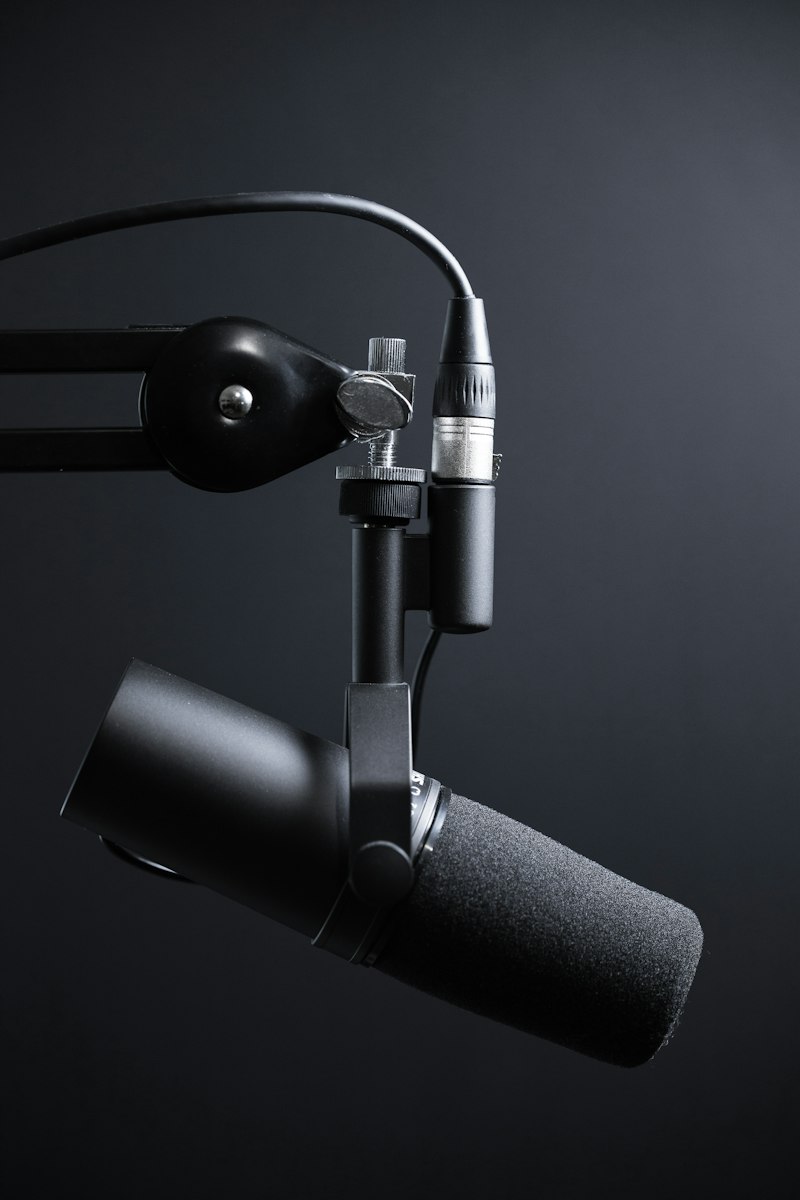
Between 1953 and 1968, Rudy Van Gelder engineered the recordings that came to define modern jazz. While legends surround his secrecy, forensic acoustic analysis reveals precise technical choices that produced the immediate, punchy Blue Note sound.
1. Neumann U47 and KM54 Microphone Geometry
In his parents' Hackensack living room and later his purpose-built Englewood Cliffs studio, Van Gelder placed condenser microphones significantly closer to brass bells and drum skins than traditional orchestral practice permitted. Trumpets and saxophones were captured on Neumann U47s equipped with M7 capsules, positioned slightly off-axis to tame high-frequency sibilance while capturing the rich harmonic chest resonance of Miles Davis and John Coltrane.
2. Ampex Tape Saturation and Mastering Limiting
Van Gelder drove his custom-modified Ampex 300 tape machines into mild saturation, gently compressing dynamic peaks on snare hits and piano chords without audible pumping. During disc cutting on his Scully lathe with a Westrex cutter head, he employed Fairchild 660 limiters to maximize groove velocity, ensuring Blue Note 12-inch LPs sounded punchier and louder on home turntables than competing commercial pressings.